

Blog
The Complete Guide to Fibreglass Rollers and Their Uses

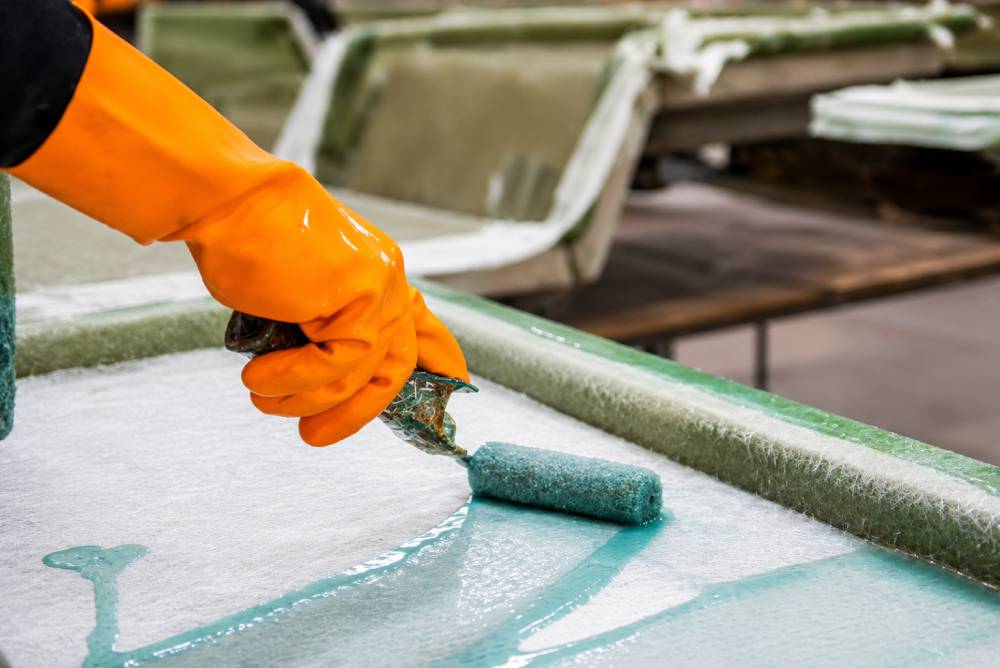
Fibreglass rollers are essential tools for achieving strong, smooth, bubble-free composite laminates. Choosing the right roller depends on the type of resin, reinforcement material and finish required for the project. From laminating and bubble-buster rollers to aluminium and resin rollers, each type serves a specific purpose.
Understanding the different types of fibreglass rollers and their uses helps improve laminate quality, reduce defects and create durable fibreglass structures.
What are Fibreglass Rollers and Why are they Important?
Fibreglass rollers are specialised tools designed to spread resin evenly, remove trapped air, and improve the overall strength of composite materials. During fibreglass work, resin needs to fully saturate the reinforcement layers to create a strong bond.
A properly selected roller can make a significant difference in the final finish of a fibreglass project, whether you are repairing a boat, manufacturing moulds or creating custom composite parts.
According to the Australian Composite Structures Society, composite materials are increasingly used across industries because of their strength-to-weight advantages and corrosion resistance.
How Do Fibreglass Rollers Work?
During the laminating process, fibreglass fabric is combined with resin to form a hardened composite. However, air bubbles can become trapped between layers, weakening the finished product.
A fibreglass roller helps by:
- Pressing resin evenly throughout the fibreglass reinforcement
- Removing trapped air bubbles
- Improving fibre wet-out
- Creating a stronger laminate structure
- Reducing excess resin build-up
The roller applies consistent pressure across the surface, allowing resin to properly penetrate the fibres.
Types of Fibreglass Rollers and Their Uses
Laminating Rollers
Laminating rollers are among the most commonly used fibreglass rollers. They are designed to spread resin evenly through fibreglass cloth and help create a consistent laminate.
These rollers are ideal for:
- Boat repairs
- Composite panels
- Fibreglass moulding
- Automotive repairs
- Industrial composite manufacturing
Benefits of Laminating Rollers
- Improve resin distribution
- Reduce wasted resin
- Create stronger composite layers
- Help achieve professional finishes
Bubble Buster Rollers
This is designed specifically to remove trapped air from fibreglass laminates. It features grooves, fins or ridges that push air bubbles towards the surface while spreading resin. Bubble buster rollers are commonly used when working with multiple layers of fibreglass because thicker laminates are more likely to trap air.
Uses of Bubble Buster Rollers
They are commonly used for:
- Large fibreglass structures
- Marine repairs
- Storage tanks
- Composite moulds
- Industrial applications
Aluminium Rollers
This is a durable option commonly used in professional fibreglass applications. These rollers are lightweight, corrosion-resistant and effective at compressing laminate layers. Aluminium rollers often feature grooved surfaces that help remove air while ensuring even resin coverage.
Advantages of Aluminium Rollers
- Long-lasting construction
- Resistant to many resin systems
- Easy to clean
- Suitable for repeated professional use
They are particularly useful for larger projects where consistent pressure is required.
Resin Rollers
These rollers are designed to handle liquid resin without breaking down quickly.
Resin rollers are suitable for:
- Wetting the fibreglass cloth
- Applying resin coatings
- Repair projects
- Small composite applications
Importance of Rollers in Fibreglass Lamination
The strength of fibreglass depends on proper resin distribution and fibre alignment. Excess resin or trapped air can reduce the performance of the finished composite.
Using suitable laminating rollers helps:
- Increase fibre-to-resin consistency
- Reduce structural weaknesses
- Improve surface quality
- Create reliable composite layers
According to Composites Australia, composite materials are widely used across industries including marine, transport, construction, and manufacturing due to their lightweight properties, durability, and corrosion resistance.
How to Choose the Right Fibreglass Roller
Consider the Type of Resin
Different rollers perform better with specific resin types. Common resin systems include:
Polyester Resin
Often used for general fibreglass repairs and marine applications. Rollers should be resistant to polyester resin chemicals.
Epoxy Resin
Requires tools that can withstand epoxy compounds and provide smooth application.
Vinyl Ester Resin
Common in applications requiring improved chemical and moisture resistance. Always check that your roller is compatible with your chosen resin.
Consider the Size of Your Project
Small Projects
For repairs, hobby projects and smaller components:
- Small laminating rollers
- Resin rollers
- Compact bubble busters
Large Projects
For boats, moulds and industrial work:
- Wide aluminium rollers
- Heavy-duty bubble buster rollers
- Professional laminating rollers
Tips for Using and Maintaining Fibreglass Rollers
Use the Roller Correctly
For best results:
- Apply resin evenly to the fibreglass layer.
- Roll slowly across the surface.
- Apply consistent pressure.
- Continue until visible air bubbles are removed.
- Avoid excessive rolling once the laminate is properly saturated.
Clean Rollers After Use
Helpful cleaning steps include:
- Remove excess resin immediately
- Use suitable cleaning solvents where appropriate
- Store rollers in a dry location
- Inspect rollers before each use
A damaged or contaminated roller can affect the quality of future laminates.
Choose Seven Hills for the Best Fibreglass Rollers in Australia
Choosing the right fibreglass roller plays an important role in creating strong, smooth and reliable composite projects. Whether you need a laminating roller, bubble buster roller, aluminium roller or resin roller, selecting the correct tool improves resin application and reduces common fibreglass problems.
At Seven Hills Fibreglass and Resin, we provide quality fibreglass tools, materials and accessories to help professionals, businesses and DIY users achieve better results. Our range is designed to support efficient fibreglass work with reliable products suited to different applications. All our fibreglass product materials are sourced from trusted suppliers or manufactured under strict quality control standards. Contact us now to learn more details about our services.
FAQs
What is the purpose of a fibreglass roller?
A fibreglass roller is used to spread resin evenly through fibreglass reinforcement while removing trapped air bubbles. This creates a stronger, smoother laminate with improved structural integrity, making it an essential tool for boat repairs, automotive work, mould making and other composite manufacturing projects.
How do I choose the right fibreglass roller for my project?
To choose the right fibreglass roller, consider the type of resin you are using, the size of your project and the fibreglass material being laminated. Larger aluminium rollers suit extensive surfaces, while smaller laminating or bubble buster rollers work better for repairs and detailed applications.
What are the different types of fibreglass rollers and their uses?
The most common types of fibreglass rollers include laminating rollers for spreading resin, bubble buster rollers for removing trapped air, aluminium rollers for heavy-duty lamination, and resin rollers for applying resin evenly. Each roller is designed to improve laminate quality and project efficiency.
Why is a bubble buster roller important in fibreglass lamination?
A bubble buster roller helps eliminate trapped air pockets that can weaken a fibreglass laminate. Improving resin penetration and fibre wet-out creates a stronger, more durable composite with fewer defects, making it especially valuable for thicker laminates and professional-quality finishes.
Can the same fibreglass roller be used with different resin systems?
Many fibreglass rollers can be used with polyester, epoxy and vinyl ester resins, provided they are made from compatible materials. Always check the manufacturer’s recommendations and clean the roller thoroughly after each use to maximise performance and extend its service life.
How should I clean and maintain a fibreglass roller after use?
Clean a fibreglass roller immediately after use by removing excess resin and using the appropriate cleaning solvent recommended for the resin type. Allow the roller to dry completely before storing it in a clean, dry place to maintain performance and prolong its lifespan.