

Blog
How to Choose the Right Fibreglass Cloth Weight for Your Project

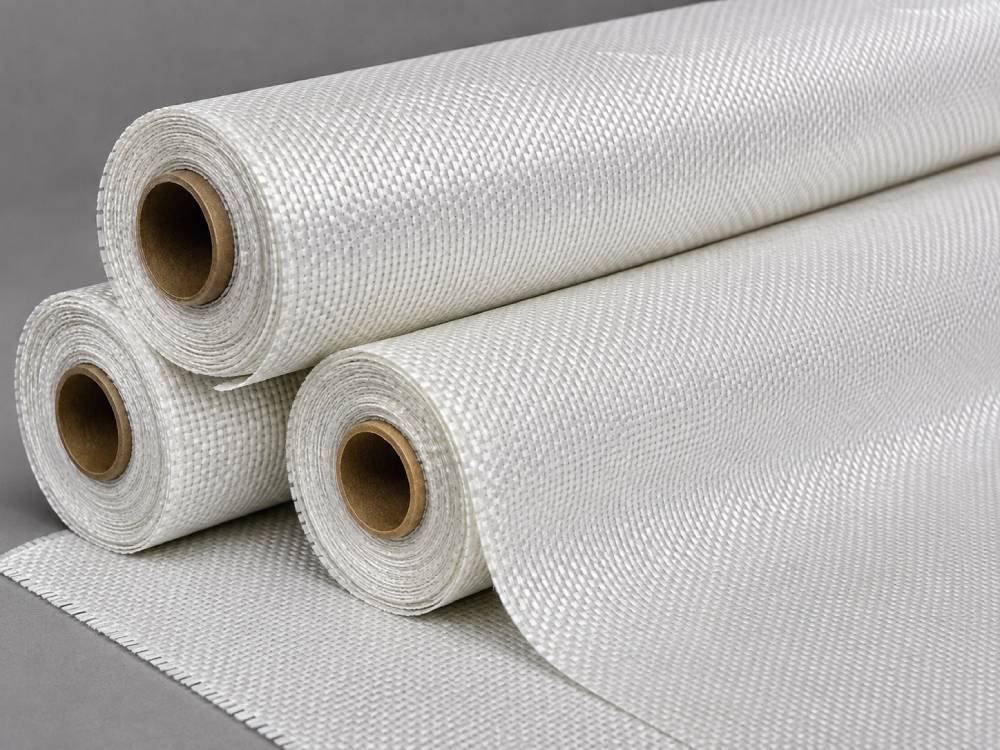
Choosing the correct fibreglass cloth weight is essential for creating a strong, durable, and long-lasting composite structure. The right fibreglass cloth GSM affects strength, flexibility, resin absorption, finish quality, and overall project performance.
Whether you are repairing a boat, building a mould, or completing a DIY fibreglass project, selecting the correct woven fibreglass cloth can make a significant difference. Understanding fibreglass cloth thickness and weight helps you achieve professional results while avoiding unnecessary material costs.
What Does Fibreglass Cloth Weight Mean?
This refers to the amount of glass fibre used per square metre of fabric. It is commonly measured in GSM (grams per square metre). A higher GSM rating means the cloth contains more fibre, making it heavier, thicker, and generally stronger.
When choosing fibreglass cloth, the weight determines:
- Strength and impact resistance
- Flexibility and ease of shaping
- Amount of resin required
- Final laminate thickness
- Surface finish quality
For example, a lightweight fibreglass cloth may be ideal for small repairs or cosmetic finishes, while a heavier cloth is better suited for structural applications requiring extra strength.
Understand Fibreglass Cloth GSM Ratings
Fibreglass cloth GSM indicates the weight of the fabric before resin is added. A 200 GSM cloth weighs approximately 200 grams per square metre, while a 600 GSM cloth contains significantly more glass fibre and provides greater reinforcement.
Different GSM options are designed for different applications:
Fibreglass Cloth Weight | Common Applications |
|---|---|
100–200 GSM | Small repairs, surfboards, lightweight projects |
300–450 GSM | General DIY projects, panels, moulds |
600 GSM | Boats, automotive parts, heavy-duty repairs |
800+ GSM | Industrial and high-strength applications |
The correct choice depends on the level of reinforcement your project requires.
According to the Composites Australia industry information, fibre-reinforced composites are widely used across marine, construction, transport, and industrial sectors because of their high strength-to-weight ratio.
How to Choose the Right Fibreglass Cloth Weight for Your Project
Selecting the correct fibreglass cloth weight requires understanding your project’s purpose, required strength, and working conditions.
Consider the Purpose of the Project
The first step is identifying what the fibreglass laminate needs to achieve.
Decorative or Cosmetic Projects
For projects where appearance is more important than structural strength, lightweight cloth with a GSM between 100 and 200 is usually suitable.
Examples include:
- Decorative panels
- Surface finishing
- Small repairs
- Model making
Lightweight cloth is easier to wet out with resin and provides a smoother finish.
General Repairs and DIY Projects
For everyday repairs, medium-weight cloth with a GSM between 300 and 450 is often the preferred option. It works well for:
- Equipment repairs
- Automotive parts
- Storage containers
- Custom fabrication projects
Structural Applications
Heavy-duty applications require stronger reinforcement. A 600 GSM or heavier woven fibreglass cloth is commonly selected for:
- Marine repairs
- Boat reinforcement
- Industrial components
- Load-bearing structures
Common Fibreglass Cloth Weights and Their Uses
Lightweight Fibreglass Cloth (100–200 GSM)
Lightweight fibreglass cloth offers flexibility and easy handling. It can follow curves and detailed shapes without creating excessive buildup.
Benefits include:
- Smooth surface finish
- Low resin consumption
- Easy application
- Suitable for beginners
But it may not provide sufficient strength in areas exposed to heavy loads or impacts.
Medium Weight Fibreglass Cloth (300–450 GSM)
Medium-weight cloth provides a balance between strength and flexibility. It is one of the most versatile options for:
- DIY fibreglass projects
- Repairs
- Custom parts
- General fabrication
Many hobbyists choose this range because it provides reliable reinforcement without being difficult to work with.
Heavy Fibreglass Cloth (600 GSM and Above)
Heavy fibreglass cloth is designed for projects requiring maximum reinforcement. It provides:
- Increased impact resistance
- Greater structural strength
- Better durability
- Improved load handling
Heavy cloth requires more resin and careful application to achieve proper saturation.
The Most Suitable Fibreglass Fabric for Boats and Marine Projects
Marine applications are among the most demanding uses for fibreglass materials. Choosing the right fibreglass fabric for boats depends on the repair location and the area’s level of stress.
For many boat repairs, medium to heavy-weight woven fibreglass cloth is commonly used.
Hull Repairs
Boat hulls require strong reinforcement because they experience:
- Water pressure
- Impact from waves
- Continuous movement
Heavier cloth, such as 600 GSM, may be suitable for structural repairs.
Deck and Surface Repairs
For cosmetic repairs or surface reinforcement, lighter options may provide enough strength while maintaining a smooth appearance.
High-Stress Areas
Areas exposed to greater force may require multiple layers of fibreglass cloth rather than relying on a single heavy layer.
The Australian Maritime Safety Authority highlights the importance of maintaining vessel structures and ensuring repairs are completed using suitable materials and methods.
Woven Fibreglass Cloth vs Other Fibreglass Materials
Woven fibreglass cloth is created by weaving glass fibres together in a pattern similar to traditional fabric. This construction provides excellent strength and stability. Advantages include:
- High tensile strength
- Better directional reinforcement
- Professional finish
- Suitable for complex structures
Fibreglass mat uses randomly arranged fibres, while woven cloth has organised fibre patterns.
Fibreglass Mat Advantages:
- Faster coverage
- Good for bulk reinforcement
- Often easier for large surface areas
The best option depends on whether your priority is strength, finish, cost, or ease of application.
Choose Seven Hills Fibreglass and Resins’ Best Fibreglass Cloth in Australia
Choosing the right fibreglass cloth weight depends on your project’s purpose, required strength, and working conditions. From lightweight repairs to heavy-duty marine applications, selecting the correct GSM rating ensures better results and longer-lasting performance.
At Seven Hills Fibreglass and Resin, we help customers find suitable fibreglass materials, including woven fibreglass cloth and resin solutions, for different applications across Australia. Whether you need fibreglass fabric for boats, repairs, or custom projects, reach out to us, and we can help you select the right product for your needs.
FAQs
What weight of fibreglass cloth should I use for a small repair?
For small repairs, lightweight to medium fibreglass cloth between 200 and 450 GSM is usually suitable. The ideal choice depends on the damaged area, the required strength, and whether the repair requires structural reinforcement.
Is higher GSM fibreglass cloth always stronger?
Higher GSM generally provides more reinforcement, but strength also depends on resin type, fibre direction, number of layers, and application quality. Multiple lighter layers can sometimes outperform one very heavy layer.
What is the best fibreglass cloth for boat repairs?
For boat repairs, medium to heavy woven fibreglass cloth is commonly used because it provides strong reinforcement. The correct weight depends on the extent of the damage and whether the repair is cosmetic or structural.
What is the difference between fibreglass cloth and fibreglass mat?
Fibreglass cloth has woven fibres that provide directional strength and a smoother finish, while fibreglass mat contains randomly arranged fibres and is often used for quick coverage and bulk reinforcement.
Can beginners use woven fibreglass cloth?
Yes, beginners can use woven fibreglass cloth, especially lightweight and medium GSM options. Proper surface preparation, resin application, and curing time are important for achieving successful results.
How do I calculate how much fibreglass cloth I need?
Measure the repair area and multiply it by the number of layers required. Add extra material around edges to ensure proper coverage and allow for trimming during installation.