

Blog
What PPE Do You Need for Fibreglass Work?
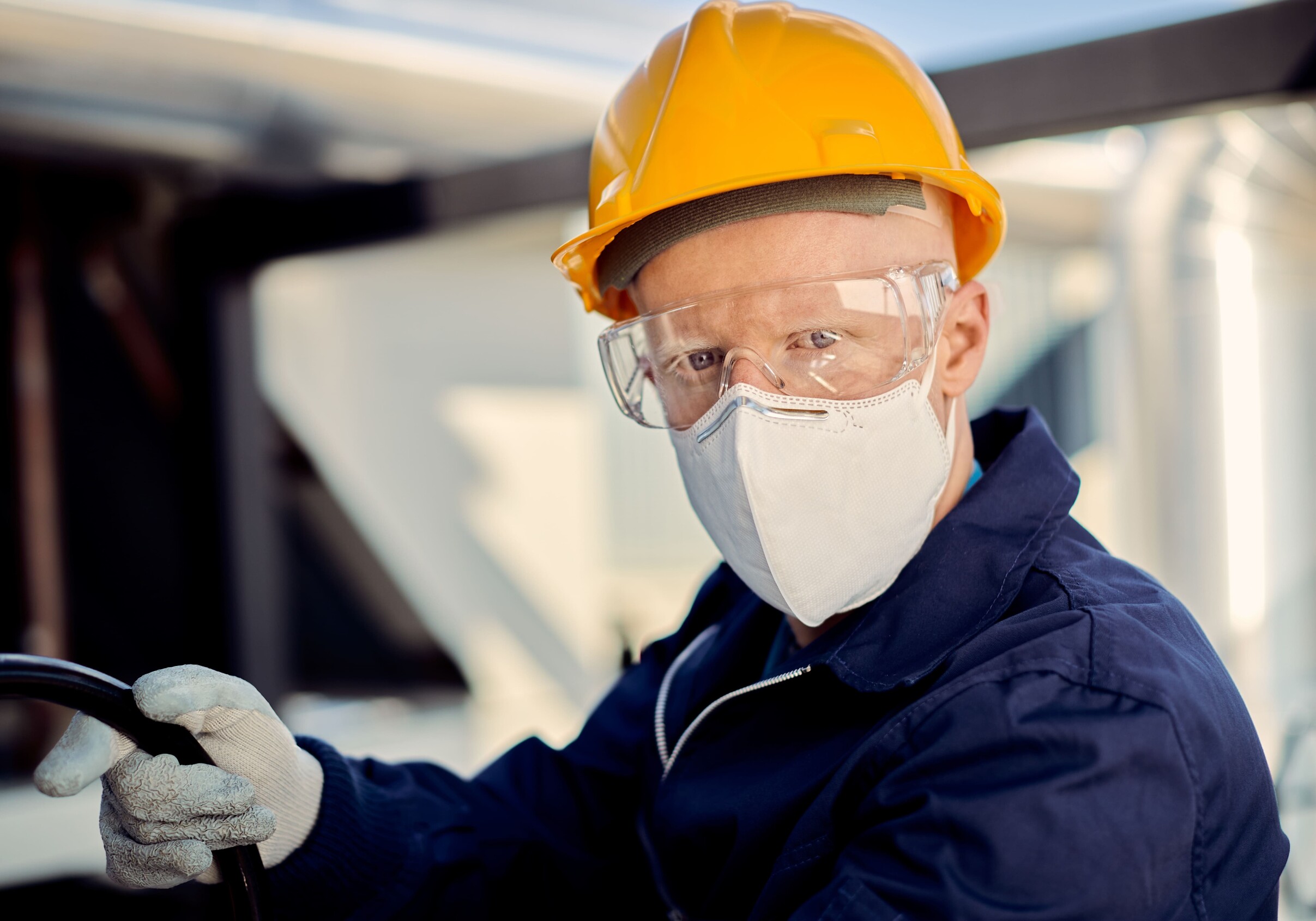
When preparing for fibreglass work, assembling the correct safety gear requires careful consideration of the specific materials and tasks involved. A reliable fibreglass PPE checklist should account for hand, protective clothing, eye, and respiratory protection. However, the exact combination depends entirely on what is being done. Handling dry fibreglass reinforcement matting, cutting cured components, sanding laminates, and mixing liquid resins all create distinct exposure profiles.
Understanding these variations ensures that selected personal protective equipment directly addresses the actual physical and chemical hazards present in the workspace.What Should Be on a Fibreglass PPE Checklist?
A practical safety checklist maps specific body zones to the exact hazards they face during fabrication, ensuring every piece of gear serves a distinct protective purpose.| PPE | What it protects against | When to consider it |
|---|---|---|
| Gloves | Contact with fibres, resin or other substances | Handling fibreglass materials or chemicals |
| Protective clothing | Fibres, dust, splashes and contamination | Handling, fabrication and resin work |
| Eye protection | Fibres, dust, particles and splashes | Cutting, sanding and chemical handling |
| Respiratory protection | Airborne particles and other specified airborne hazards | Sanding, grinding or other tasks that create airborne contaminants |
| Suitable footwear | Workplace contamination and other hazards | Depending on the work environment |
How Does the Fibreglass Task Affect the PPE You Need?
As you move from one stage of a fibreglass project to the next, the specific physical and chemical hazards change entirely. That affects which protective gear you need while doing the job.→ Handling Dry Reinforcement
Working with raw fibreglass materials, such as chopped-strand mat or woven rovings, presents a low particulate risk. The main concern here is physical contact, specifically preventing loose glass filaments from causing mechanical skin irritation or reaching the eyes from unrolling and positioning.→ Cutting and Trimming Components
Power-tool cutting changes conditions by launching sharp glass fragments and micro-fibres directly into the immediate workspace. The physical generation of flying shards and localised airborne debris requires tight-fitting containment gear, accompanied by local dust extraction at the tool source to minimise dispersion.→ Sanding and Grinding Cured Laminates
Sanding completely shifts the exposure profile by generating a continuous volume of fine particulate dust that remains suspended and settles across all exposed surfaces. Because dust fills the breathing zone and coats exposed skin on contact, this phase demands rigorous, full-coverage protection as a supplement to workshop engineering controls.What Should You Look for When Choosing Fibreglass PPE?
Selecting effective safety gear requires evaluating several operational factors rather than relying on a one-size-fits-all approach. Building a reliable kit goes beyond picking items off a shelf; it requires matching equipment performance to actual site conditions.- The material being handled: Distinguishes between inert glass fibres and reactive chemical formulations to ensure that chemical agents do not compromise physical barriers.
- The task being performed: Differentiates between dry material handling, mechanical cutting, sanding, and liquid resin mixing, aligning protection levels directly with active generation sources.
- How exposure occurs: Identifies whether the primary risk is physical contact, airborne dust, or chemical splashing, which dictates whether you need splash aprons, sealed goggles, or particulate filters.
- Duration and frequency of the work: Determines whether short-term disposable items or heavy-duty reusable equipment is appropriate for ongoing fabrication environments.
- Product information and SDS requirements: Uses manufacturer documentation and Safety Data Sheets to identify specific chemical compatibility boundaries and exposure thresholds.
- Fit and compatibility: Ensures that items like eye protection and respirators fit securely together without compromising each other’s seals, such as safety glasses breaking a respirator’s bridge seal.
How Does Resin Work Change PPE Requirements?
While fibreglass and resin frequently coincide in composite fabrication, their underlying hazard profiles differ significantly. Resin systems introduce reactive chemical components such as polyesters, epoxies, vinyl esters, catalysts, hardeners, and solvents, which present risks of skin sensitisation, chemical splashes, or organic vapour exposure. Because chemical formulations vary widely, products cannot be treated as interchangeable. You must review its safety data sheet to identify hazards, recommended glove polymers, and appropriate chemical filtration requirements.What Else Should Be Considered Alongside PPE?
PPE is important, but it is not the only way to manage exposure during fibreglass work. It should be used alongside higher-level controls where those controls do not fully remove or minimise the risk. For fibreglass work, this means considering how the work itself can be managed.Control Dust at the Source
Cutting and sanding can create airborne particles. Controlling those particles at their source can reduce the amount that becomes airborne in the work area. The equipment, extraction method and work environment will determine what controls are appropriate.Consider Ventilation
Ventilation can be relevant when the task produces airborne contaminants. The appropriate approach depends on the material, work area and type of exposure. Ventilation should not be treated as a substitute for suitable PPE where PPE is required.Prevent Contamination from Spreading
Fibres and dust can transfer onto clothing, equipment and surrounding surfaces. Good work practices can help prevent material from being carried beyond the immediate work area. The same consideration applies when working with chemical products. Contaminated PPE needs to be handled in accordance with the relevant product and workplace procedures.Keep PPE in Usable Condition
PPE needs to continue providing the protection for which it was selected. Safe Work Australia says PPE should be kept clean, stored correctly and repaired or replaced when it is no longer functioning properly. Fit should also be checked. Uncomfortable PPE, damaged or poorly fitted, may not provide the intended protection.Why Choose Seven Hills Fibreglass and Resin for Your Next Fabrication Project?
At Seven Hills Fibreglass and Resin, we cater to a wide range of fibreglass and resin applications, from DIY projects and hobby work through to manufacturing and fabrication. Our range covers the materials and supplies used in these applications, including fibreglass, resins, gel coats, acetone, and PPE products. Our physical store in Seven Hills, NSW, gives customers access to a specialist fibreglass and resin supplier rather than a general hardware range. We have been operating since the 1970s, with the business now run by the second generation of the Elyard family. Reach out to us if you are sourcing materials for a fabrication project or putting together the supplies needed for your next fibreglass job.FAQs
Is a dust mask enough for sanding fibreglass?
Not necessarily. Sanding can produce airborne particles, so respiratory protection should be selected based on the hazard and task conditions. SafeWork NSW states that RPE selection should reflect the airborne contaminant and the work being performed.
Do you need different PPE when working with resin?
The PPE can differ because resin work may introduce chemical exposure in addition to the physical exposure associated with fibreglass. The specific product and task should be considered when selecting PPE.
Can the same gloves be used for every resin?
Not automatically. Glove suitability depends on the substance and the glove material. For chemical handling, check the relevant product information before selecting gloves.
Do you need coveralls for every fibreglass job?
Not necessarily. Protective clothing should reflect the exposure created by the task. Handling dry material, sanding fibreglass and working with liquid resin can involve different types and levels of contact.