

Blog
How Much Acetone Do You Need for Your Project?
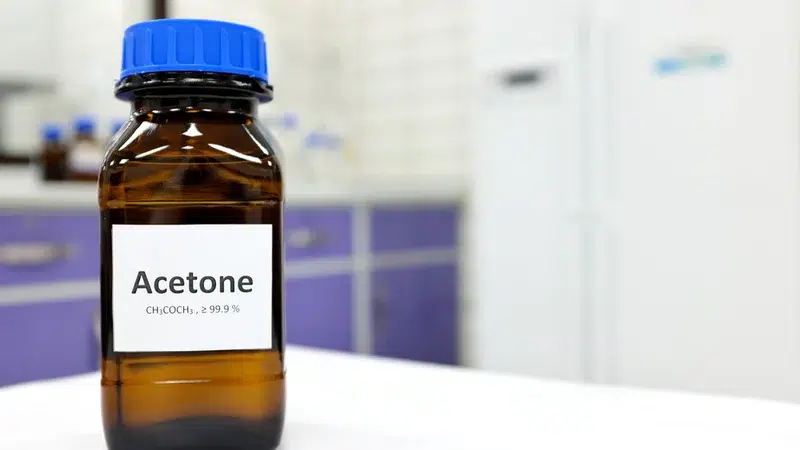
Choosing the right amount of solvent for composite work comes down to balancing active project consumption with safe storage limits. Selecting an appropriate container size for a fibreglass, resin, or related project requires examining how frequently tools are washed, how much resin is mixed per session, and where the chemical will be stored. Buying too little leaves a project stalled mid-layup, while purchasing an excessive volume creates unnecessary flammable-solvent inventory in a workshop or garage. Read this acetone size guide to the end to navigate small vs. bulk options that match the project scope.
What Affects How Much Acetone You Use?
Figuring out how much acetone you need for cleaning tools depends heavily on your workflow.
Number and type of tools
Cleaning one or two brushes is a different task from cleaning a collection of brushes, rollers, mixing equipment and other tools.
The condition of those tools also matters. A tool with a small amount of fresh residue may need less cleaning than equipment carrying a larger amount of resin.
Cleaning frequency
A project completed in one session creates a different pattern of use from one spread across several days.
If tools are cleaned after each resin application, acetone may be used repeatedly throughout the project. Someone working across many sessions, therefore, needs to consider the total number of cleaning events, not simply the amount of resin being applied.
Resin condition
Acetone is useful for removing certain fresh resin residues, but it should not be treated as a universal way to remove cured material.
Determine the cleaning method before deciding how much solvent to purchase.
Project duration
A longer project does not automatically require more acetone. What matters is what happens during those additional sessions.
An undertaking extending over several weeks with occasional tool cleaning may use less solvent than an intensive project completed over two days. The number of cleaning sessions and the amount of equipment involved provide more useful information.
Other intended uses
Some fibreglass users may also use acetone for surface preparation or removing certain residues. However, suitability can depend on the material and application.
Acetone is a strong solvent and can damage or discolour some plastics, painted finishes and other materials. Always start by testing a small hidden area first.
What Size Acetone Container Suits a Small Project?
For minor repairs, single custom parts, or occasional hobby work, smaller container formats such as a 1-litre bottle or a compact 4-litre container usually suffice. Small-scale projects typically involve limited tool rotation, meaning a user might only clean a couple of brushes and a mixing cup per work session.
Purchasing a smaller quantity for occasional work prevents surplus chemical storage in residential spaces. Storing bulk containers of a highly flammable liquid at home introduces avoidable fire risks and vapour management challenges. For a weekend fibreglass patch or a minor surfboard repair, a modest container provides enough solvent to complete the task and clean application gear without leaving redundant chemical stock behind.
When Does a Larger Acetone Container Make Sense?
When composite work transitions from single weekend repairs to multi-session builds or regular workshop operations, consumption patterns shift. Larger containers, such as 4-litre or 20-litre packaging, become practical when multiple laminating sessions occur across consecutive days.
Regular trade use involves continuous brush rotation, repeated gun or squeegee wipes, and frequent cleaning of dispensing equipment. In these environments, running out of solvent halts production. A workshop that fabricates parts weekly benefits from a larger container size because frequent replenishment trips are inefficient, and the rate of consumption justifies maintaining a stable on-site inventory managed under proper workplace safety protocols.
However, safety practices must be strictly maintained when handling and storing increased volumes. According to SafeWork NSW guidelines, flammable liquids and hazardous chemicals must be kept in the lowest practical quantity at the workplace to minimise the risk of fire and vapour accumulation. Even moderate amounts of acetone release heavy vapours that can travel along the floor to distant ignition sources, making it essential to balance operational convenience with responsible inventory management and compliant storage facilities.
Is Buying Acetone in Bulk Worth It?
The debate between smaller bottles vs bulk drums involves more than a simple price-per-litre comparison. While larger packaging can sometimes offer lower unit costs, bulk purchasing introduces specific responsibilities regarding storage, handling safety, and waste management.
Smaller quantities offer lower stored energy loads, easier handling in confined spaces, and minimal risk of long-term container degradation in home workshops. Larger containers and 20-litre drums increase the total on-site fire load and the risk of vapour generation.
Additionally, restricting flammable liquids like acetone to active operational needs is vital because larger volumes exponentially increase the amount of heavy, floor-hugging vapour that can travel to distant ignition sources. Furthermore, if a bulk drum sits unused for months in a workshop, container seals can degrade, or slow evaporation can occur if not tightly secured. When comparing litre vs drum options for buying acetone Australia-wide, remember that larger volumes require stricter workplace safety controls under Australian standards.
What Should You Check Before Buying Acetone?
Before choosing a container, confirm that the product is suitable for the task and that you understand how to handle it.
Product Information
Look at the product description and intended applications. If you need acetone for resin tool cleaning, make sure the product information supports that use.
Do not assume that every solvent sold as acetone has identical instructions for every material or application.
Safety Data Sheet (SDS)
For workplace use, the current Safety Data Sheet is an important source of information about hazards, handling, storage and protective measures.
Review the current supplier SDS to understand specific health hazards, eye-irritation risks, and the recommended personal protective equipment (PPE), which typically includes nitrile gloves and eye protection.
Material Compatibility
Acetone is a strong solvent. It can damage some plastics, painted surfaces and other materials, so test compatibility where the manufacturer or supplier recommends it.
This is especially important if you are cleaning equipment made from materials other than those normally used with your resin system.
Storage
Do not decide on a container size and only then consider where to keep it.
Acetone is highly flammable. Follow the product’s current storage information and any applicable workplace requirements. Keep ignition sources away from the solvent and use suitable handling and protective measures specified by the product documentation.
Ventilation and Ignition Control
Ensure the intended workspace has adequate natural or mechanical ventilation to keep vapour concentrations low, and verify that all nearby pilot lights, electrical sparks, and open flames are eliminated.
Why Choose Seven Hills Fibreglass and Resin?
At Seven Hills Fibreglass and Resin, we supply fibreglass and resin materials to hobbyists, small manufacturers, businesses and DIY customers across Sydney and beyond.
We stock a broad range of fibreglass and resin products, including acetone, resins, gel coats, and finishing supplies. Our materials are sourced from trusted suppliers or produced under quality-control standards, and our team is available to provide advice if you are unsure which product or quantity best suits your work.
If you are looking to buy acetone in Australia, contact us to discuss your required quantity and explore our range of fibreglass and resin supplies.
FAQs
Why is acetone such a good degreaser?
Acetone is a powerful polar solvent that dissolves oils, grease, and uncured resins instantly, breaking down organic residues so they wipe away cleanly without leaving oily films.
Is it safe to use acetone for cleaning tools and equipment?
Yes, it is standard practice for cleaning wet resin off brushes and rollers, provided you work in a well-ventilated area away from ignition sources.
How do I know if my project needs acetone or a different solvent?
Use acetone specifically for thinning polyester or vinyl ester resins and cleaning uncured resin tools; other solvents may be required for specific epoxies or paints.
Do I need special protective gear for quick acetone cleaning jobs?
Yes, always wear chemical-resistant nitrile gloves and eye protection, as acetone instantly strips natural skin oils and can cause severe eye irritation.